
Influencer marketing is no longer just brands paying creators to post about a product or service. Increasingly, creators are being brought into the actual development and storytelling process itself. Poppi’s recent collaboration with Love Island USA’s fan favorite Amaya Espinal is a great example. After the brand shared a faux, reimagined “Amaya Papaya” flavor in an Instagram post, the concept generated excitement among fans who wanted the flavor to become real. The response ultimately pushed Poppi to turn the joke into an actual limited-edition product inspired by Amaya’s nickname on the show.
Restaurants are starting to approach creator partnerships in a similar way, recognizing that influencers can contribute more than just promotional reach.
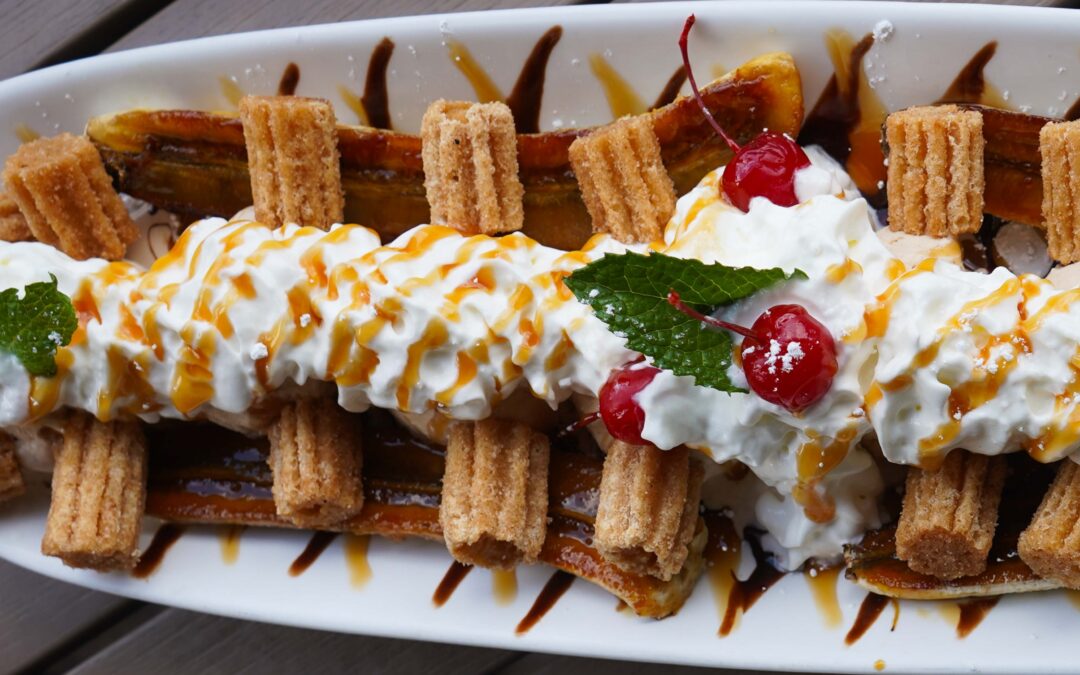
That’s part of what made Bottleneck Management’s recent collaboration between City Works Eatery & Pour House Fort Worth and local creator Anisha Holla (@DallasTX_Foodies) so interesting. Together, the teams created the Mega Churro Banana Split, a limited-time dessert intentionally designed to create both an in-person and online experience. But what made the partnership successful wasn’t just the oversized dessert itself. It was the fact that the collaboration felt authentic, local, and built around how people actually discover restaurants today.
It Felt Collaborative Instead of Transactional
One of the biggest reasons the partnership worked was because it went beyond the typical “creator posts menu item” format. Instead of simply promoting an existing dessert, Anisha collaborated with Bottleneck Management VP of Food & Beverage Chef Zachary Van Gaasbeek to help create something that felt tied to her personality and audience.
The Mega Churro Banana Split was inspired by Anisha herself, specifically her sweet tooth and the kinds of indulgent food experiences her audience already associates with her content. Plus, the dessert still tapped into a larger trend that has been dominating social feeds: oversized, shareable food items that instantly create curiosity online. People are naturally drawn to food experiences that feel fun, visual, and worth sending to a friend.
“Anisha is a true foodie, came with ideas, and really leaned into the creative process. We knew her audience loved big, indulgent desserts, so creating something over-the-top felt authentic to her brand,” said Chef Zachary Van Gaasbeek. “The challenge was making sure it would look incredible on social media while still working as a great guest experience in the restaurant—that’s where the two size options came in.”
The dessert was intentionally over-the-top in the best way possible with 2-feet of fresh churros, bruleed bananas, and eight scoops of ice cream. But it didn’t feel manufactured. Instead, it felt tailored to Anisha, which made the collaboration more authentic and engaging for her audience.
View this post on Instagram
Dining Decisions Are More Social-Driven Than Ever
A lot of restaurant discoveries happen long before someone walks through the door. Someone sees a Reel, a friend sends them a TikTok, they save a post, and eventually they decide to try the restaurant themselves.
That’s changing how restaurants think about menu development too. The question isn’t just “Does this taste good?” anymore. It’s also: Is it memorable? Does it create conversation? Does it fit the personality of the brand? Will people naturally want to share it?
But most importantly, it still had to work as an actual guest experience, not just a social media moment. That balance is what makes collaborations like this successful.
View this post on Instagram
Why Local Creators Matter & How It Drives Real Engagement
Another key factor was the local aspect of the partnership. Local creators tend to drive trust, especially in hospitality, where dining decisions are so community-based.
View this post on Instagram
That’s part of why this collaboration felt natural for City Works Fort Worth. The content didn’t feel like an interruption to someone’s feed; it felt like a creator sharing something genuinely exciting happening with an audience that already trusted her recommendations. Anisha’s posts received:
- 459,751 views
- 13,014 engagements
- 6,600 shares
- 1,890 saves
But what made the collaboration especially impactful was how the online engagement translated into actual in-restaurant behavior. During the limited-time offer window, City Works Fort Worth sold 96 Mega/Large Churro Banana Splits, generating more than $2,000 in incremental dessert revenue. The item ultimately became the restaurant’s second best-selling dessert during the limited-time run.
View this post on Instagram
What Restaurants Can Take Away from This
Not every restaurant needs a giant dessert designed to stop the scroll, but the larger trend feels pretty clear: consumers want experiences that feel participatory, culturally relevant, connected to their local communities and worth sharing.
And increasingly, creators are helping brands build those experiences, not just promote them afterward.
For restaurants, that opens up a lot of interesting possibilities. Because today, dining culture doesn’t just happen inside the restaurant anymore. It happens online, too.